
Tau Pathology and Mechanisms
Project Overview
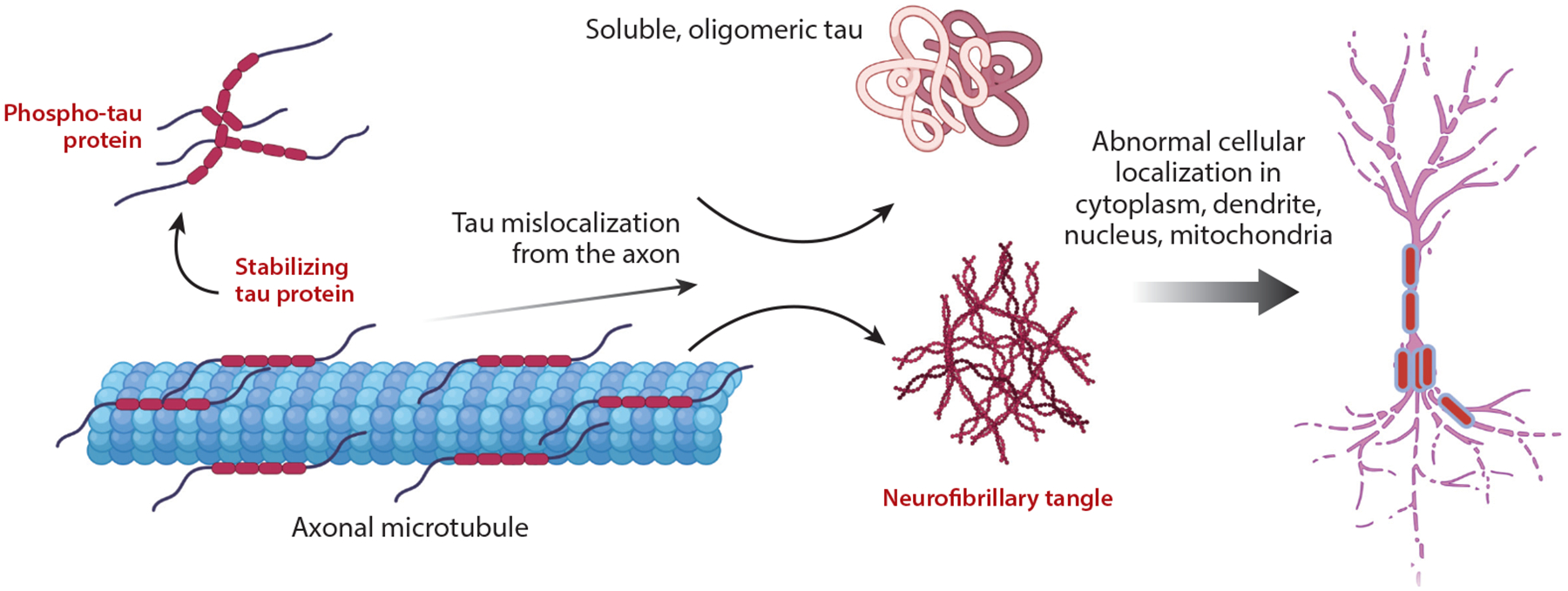
Our lab focuses on understanding tau kinetics, including fibrillar and oligomeric forms, to elucidate their replication and spreading rates in the brain, key to Alzheimer’s progression. Using chemical kinetics, proteomics, and machine learning, we quantify tau aggregation and investigate why therapies effective in mouse models often fail in humans. We study tau-related neuronal resilience, GWAS-validated tauopathy genes (e.g., JADE1), and tau’s impact on neuronal firing critical for memory. We also examine pathogenic tau’s role in activating transposable elements and mislocalization of nuclear pore proteins like NUP98.
Publications
- Hyman, B (2022). “All the Tau We Cannot See.” Annual Review of Medicine 74, 503-514.
- Kumar, M. et al. (2024). “Alzheimer proteopathic tau seeds are biochemically a forme fruste of mature paired helical filaments.” Brain 147(2), 637-648.
- Zwang, T. et al. (2024). “Alzheimer disease-associated tau post-translational modification mimics impact tau propagation and uptake.” Cell Reports 43(8), 114574.